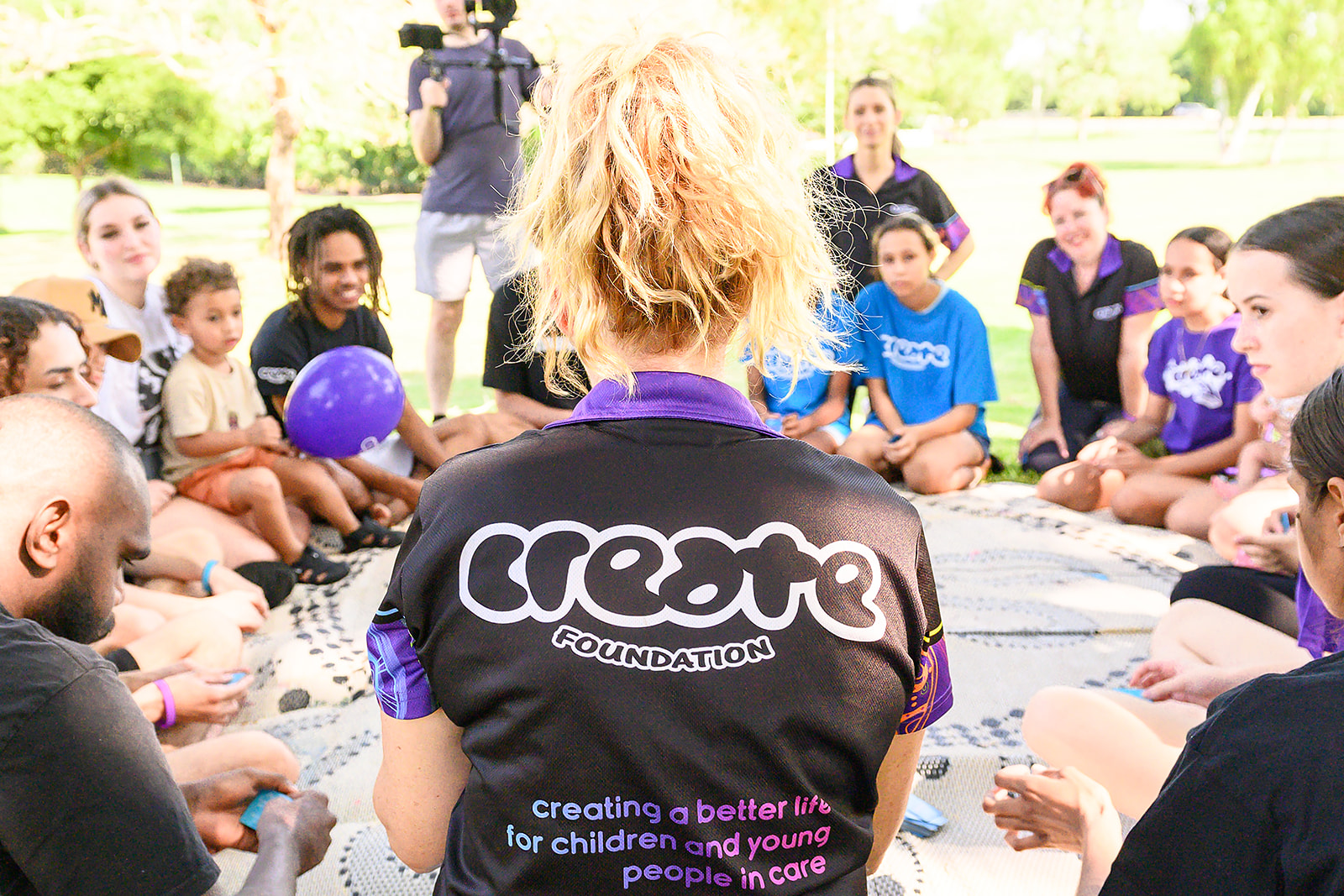
CREATE Foundation advocates on issues that young people in care have told us are important to them. Through listening to the voices of children and young people across Australia, we have identified key focus areas for our advocacy, or what we call ‘Advocacy priorities’.
After tireless advocacy from CREATE Young Consultant, Lachlan, other young people and our sector, NSW will ban the use of alternative care arrangements.
Through submissions to the Inquiry as well as social media and media engagement, CREATE is supporting lived experience experts to be heard in Queensland's Child Safety Inquiry.
CREATE Foundation, in partnership with SA young people with a care experience and the Department for Child Protection, SA have developed a Sibling Connection Practice Guide to support the sector in facilitating and maintaining important sibling, kin and family connections.
CREATE has been advocating for many years in each state and territory to extend care and supports to young people to the age of 21. With NSW’s announcement late 2022, all states and territories are now providing support to young people to the age of 21.
Our Advocacy priorities guide CREATE on the issues we speak to decision-makers about, write submissions for, undertake consultations on, comment in the media and more. Read about them below.
Every child and young person in care deserves a stable, safe and supportive home that prioritises their needs, relationships, and community ties.
Strong sibling, kin, and family connections are essential for identity, belonging, and emotional resilience for young people in care.
Where residential care is necessary, it should provide stable, therapeutic, and supportive homes that foster strong relationships and offer holistic support.
Every young person has the right to have their identity affirmed and be supported in a way that helps them thrive.
Reforming youth justice systems is essential to break cycles of criminalisation and ensure children are supported, not detained.
Every young person leaving care should have access to the support, resources and stability needed for a successful transition.
Health and wellbeing support is critical to improving life outcomes for children and young people in care.
Equitable access to education is key to empowering children and young people in care to pursue their aspirations.
Safe, consistent, and meaningful relationships are the foundation of safety and wellbeing for children and young people in care.
Aboriginal and Torres Strait Islander children have a right to connection, culture, and community through self-determined, culturally-informed care.
CREATE’s monthly Advocacy Wrap Ups provide regular updates on our latest advocacy for improving the lives of children and young people with an out-of-home care experience. We send these out to our email subscribers monthly (including clubCREATE). Visit the end of this page to subscribe to our enews or read our past Advocacy Wrap Ups below.
Every year, CREATE holds consultations around Australia with children and young people with a care experience. Their participation in our consultations gives vital insights into the effectiveness of the out-of-home care system, most often related to legislation, policy and practice.
CREATE facilitates lived experience Boards and Committees with young people who have grown up in care. We've had the Youth Expert Advisory Group (YEAG) in Victoria, the National Experience to Action Board (Youth) also known as NEABY and Queensland's Ministerial Youth Advisory Group SHIFT to name a few.
CREATE supports young people with lived experience of the care system to engage in Policy Roundtables with decision-makers including Ministers, senior government executives and sector leaders. They provide a platform for integrated conversations, ensuring that the perspectives of young people are central to decision-making processes.